Prospect, Oregon Review: More Than Just a Gateway to Crater Lake National Park
When most people think about visiting Crater Lake National Park, they spend all of their time researching the park itself. We did too.
What we didn’t realize was just how much we’d end up loving Prospect, Oregon.
We spent a week here in the middle of July 2026 while staying at Crater Lake RV Park. Our original plan was simple: visit Crater Lake and use Prospect as a place to sleep. Instead, Prospect ended up becoming one of the most peaceful and unexpectedly beautiful places we’ve stayed during our travels.
A Quick Geology Lesson: Why This Area Is So Unique
NPS: https://nps.gov/crla/index.htm
One of the biggest surprises for us on this trip—especially coming from the East Coast—was just how volcanic everything is out here in the Cascades.
We grew up thinking of mountains as something that slowly formed over time, but out here you’re constantly reminded that much of the landscape was shaped by fire.
Crater Lake is the perfect example of that.
It was formed about 7,700 years ago when Mount Mazama erupted in a massive volcanic event. The eruption caused the volcano to collapse in on itself, forming a huge caldera that eventually filled with water from snowmelt and precipitation.
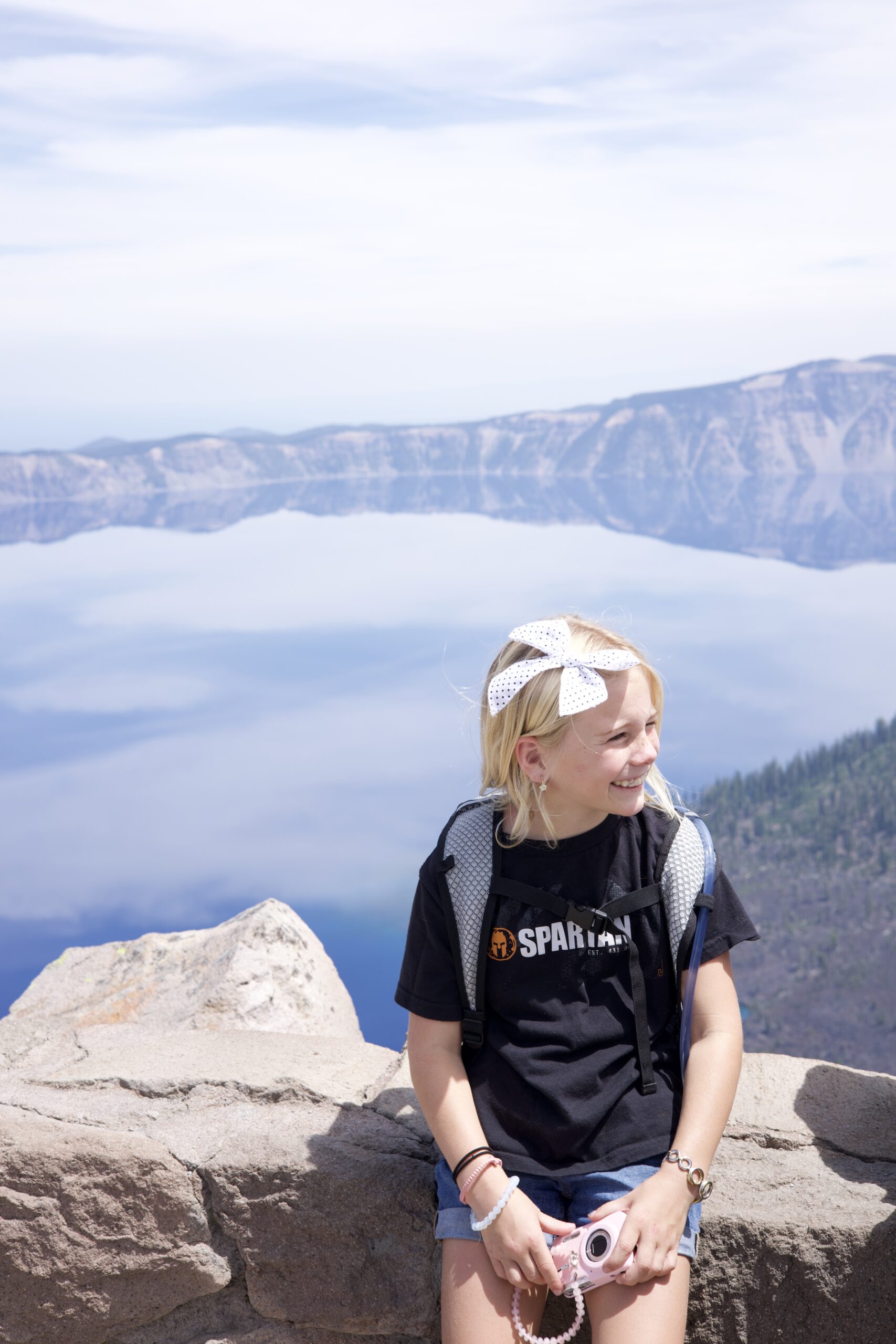
What makes it even more unique is that there are no rivers flowing in or out of the lake. Every drop of water is replaced naturally through snow and rain, which is part of why the water is so incredibly clear and intensely blue. With very little sediment or nutrient input, it remains one of the purest large bodies of water in the world.
And here’s the part that really stuck with us: Crater Lake is the deepest lake in the United States, reaching about 1,943 feet deep. Standing at the rim, it doesn’t feel like you’re looking at a lake at all—it feels like you’re looking into something infinite.
It’s the kind of place that makes you stop talking for a while.
What made it even more interesting for us was learning how scientists have studied it over time. Because of its depth and clarity, Crater Lake has been explored using modern research tools like underwater cameras and remotely operated vehicles (ROVs). These kinds of tools allow scientists to study what’s happening far below the surface—where sunlight never reaches and conditions are completely different from anything we experience above water.
It’s honestly hard to wrap your head around the idea that we can send technology into a lake nearly 2,000 feet deep and still learn new things about it. Even my husband—who is definitely not an “science” person—said he wished he were a scientist just so he could be part of discovering things like that.
That curiosity stuck with us the entire trip.
What we also didn’t fully appreciate before this visit is how connected all of this is to the broader volcanic landscape of southern Oregon.
The same volcanic activity that created Crater Lake also shaped places like the Rogue River Gorge and Natural Bridge.
Much of this area was formed by ancient lava flows and lava tubes associated with Mount Mazama and other Cascade volcanoes. As lava moved through the landscape, it carved out underground channels. Over time, rivers like the Rogue cut back through those hardened flows, exposing dramatic gorges, tunnels, and natural bridges.
It’s one thing to read about it, but it’s another to actually stand there and see a river disappear into lava rock or watch it rush through a narrow volcanic canyon.
Getting Groceries
One thing to know before you arrive is that Prospect has very limited grocery options.
We made one trip down to Medford, about an hour away, to stock up at Walmart, Costco, and Natural Grocers. If you’re staying for several days, I’d recommend planning one larger grocery run instead of expecting to shop locally. There was a local convenience store in Prospect but it had very basic options. We were able to get local eggs there but thats all.
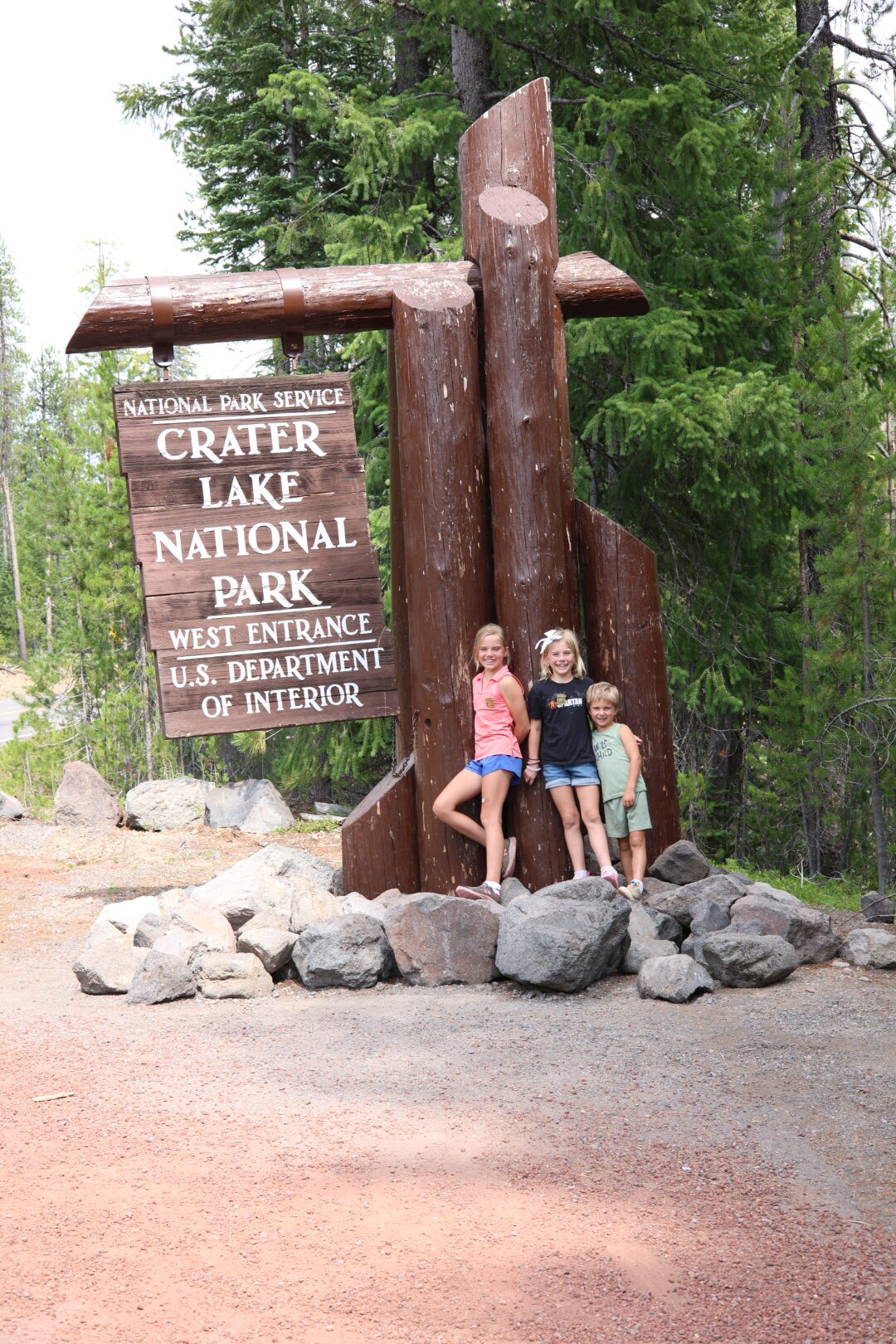
Crater Lake National Park
Watchman Peak Trail: https://www.alltrails.com/trail/us/oregon/the-watchman-peak-trail
Garfield Peak Trail: https://www.alltrails.com/trail/us/oregon/garfield-peak-trail
The Rim Visitor Center was about 50 minutes from our campground, making Prospect one of the closest and most convenient places to stay while visiting the park.
We arrived around 11:45 a.m. in the middle of July and were pleasantly surprised that there wasn’t much traffic getting into the park. Parking was generally easy to find, with only a little congestion near the Watchman Overlook.
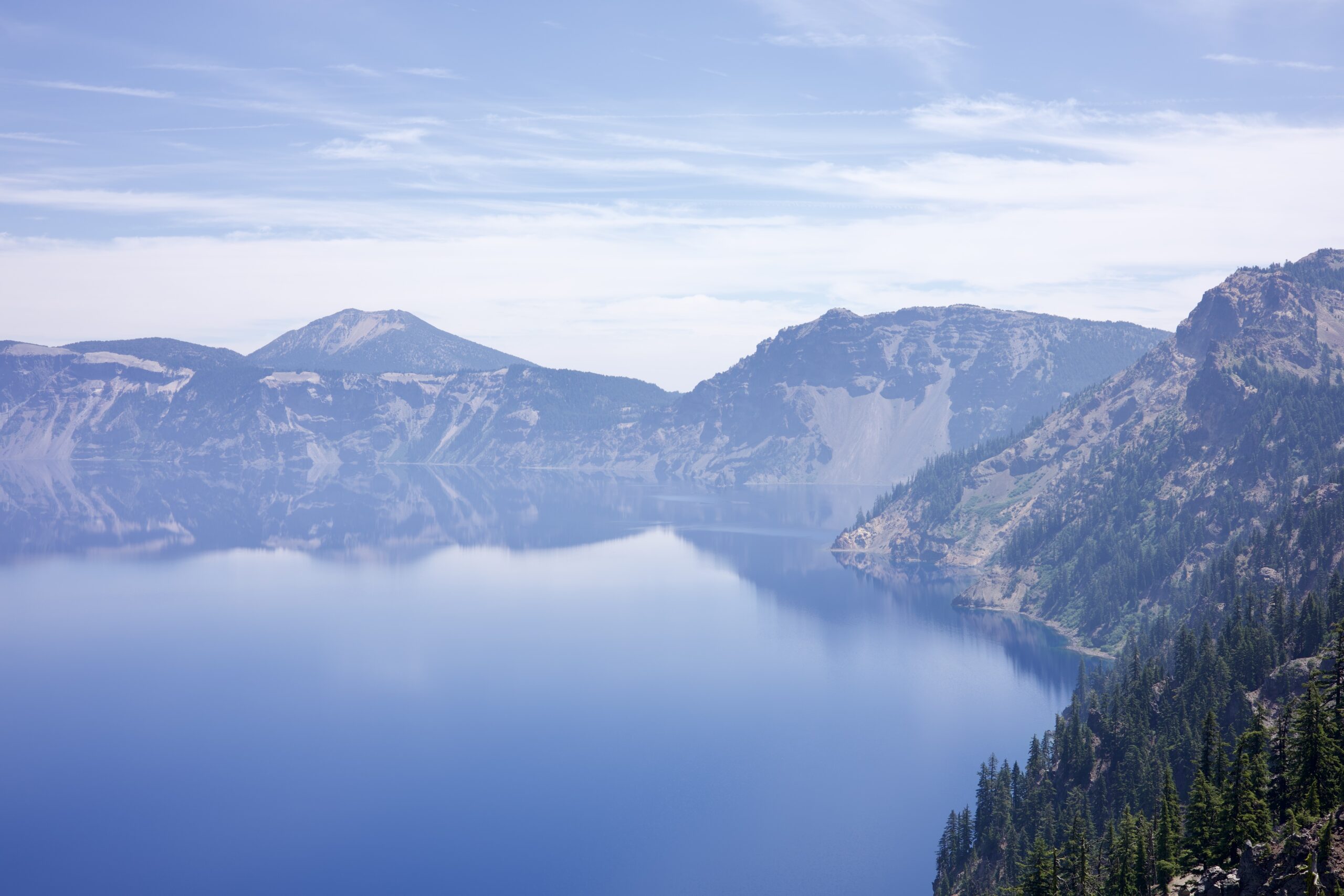
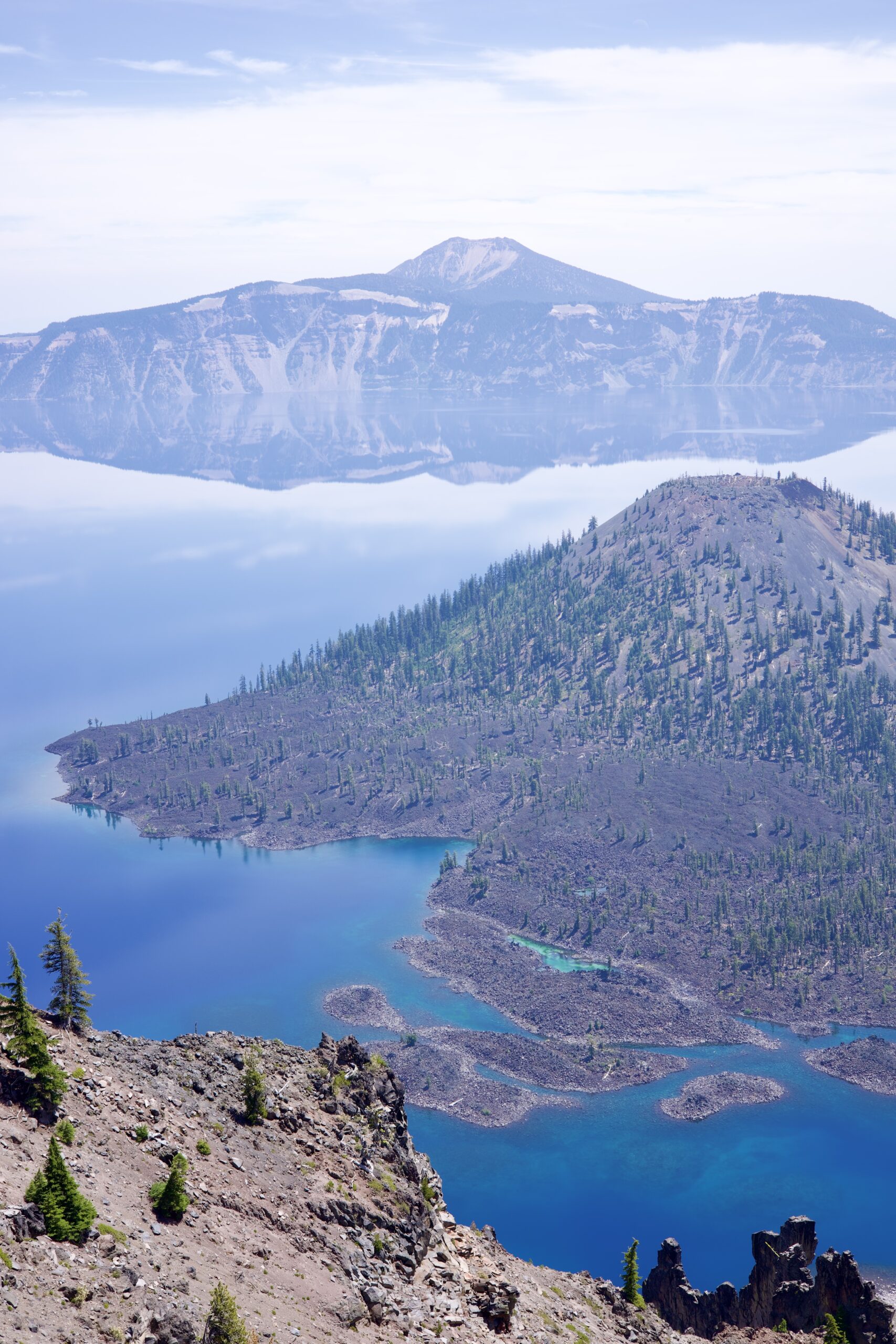
Crater Lake itself is difficult to describe. The water is the deepest blue I’ve ever seen. It almost looks fake—as if you’re looking into another world instead of a lake. It’s absolutely worth seeing in person.
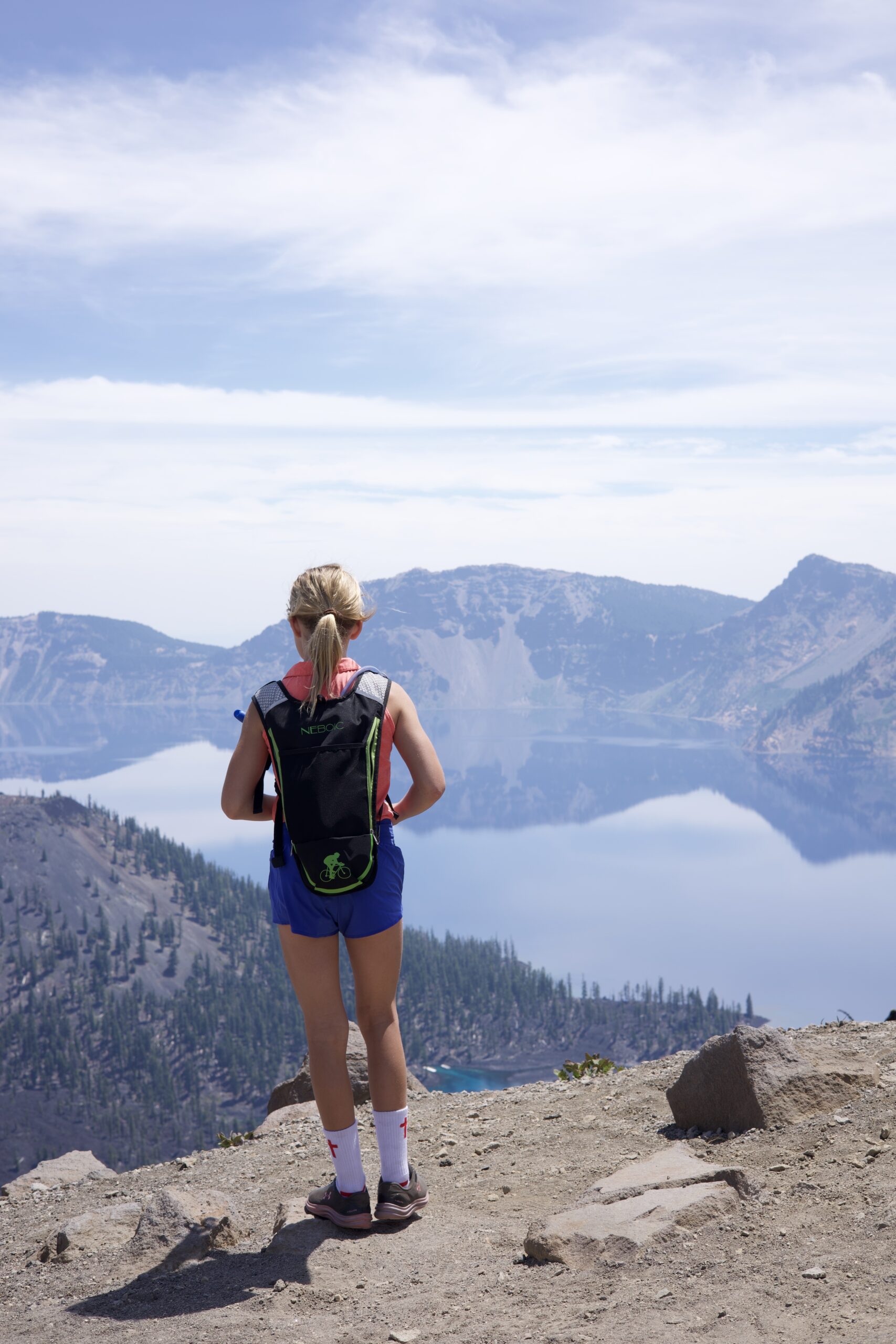
We chose to hike the Watchman Peak Trail rather than Garfield Peak because of our later start with the kids. The hike is only about 1.6 miles round trip, but I’d still consider it moderate because of the elevation gain.
Personally, unless you simply enjoy hiking, I don’t think the Watchman hike is essential. The overlook below offers an incredible view of the lake, and while the summit provides a higher perspective, I’m not convinced the view alone justifies the extra effort.
If I were to return, Garfield Peak would probably be my first priority since it offers a more unique perspective that can’t simply be experienced from a roadside overlook.
We also watched the film at the Steel Visitor Center, and I highly recommend taking the time to do that. We’ve watched a lot of National Park films over the past couple of years, and this was one of the better ones. It explains the volcanic history and formation of Crater Lake in a way that’s both interesting and easy to understand.
One thing to prepare for: cell service throughout the park is extremely limited. Download maps before you arrive.
Overall, I don’t think Crater Lake is a park that requires multiple days unless you’re planning to complete several hikes or drive the entire Rim Drive. During our visit, both the trail to the lake and part of Rim Drive were closed, so one day was enough for us to experience the highlights.
Rogue River Gorge Overlook
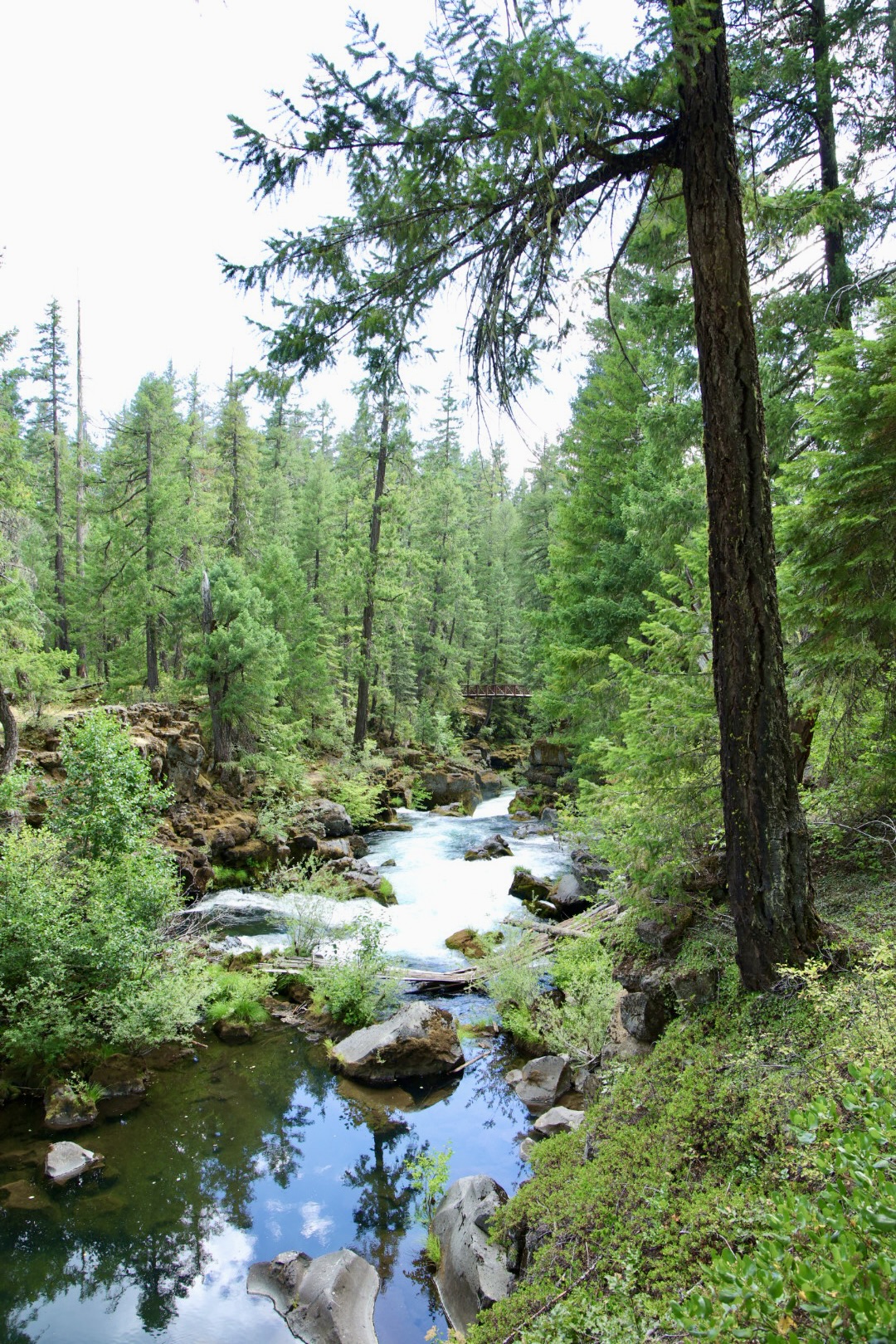
This ended up being one of our favorite stops of the entire week.
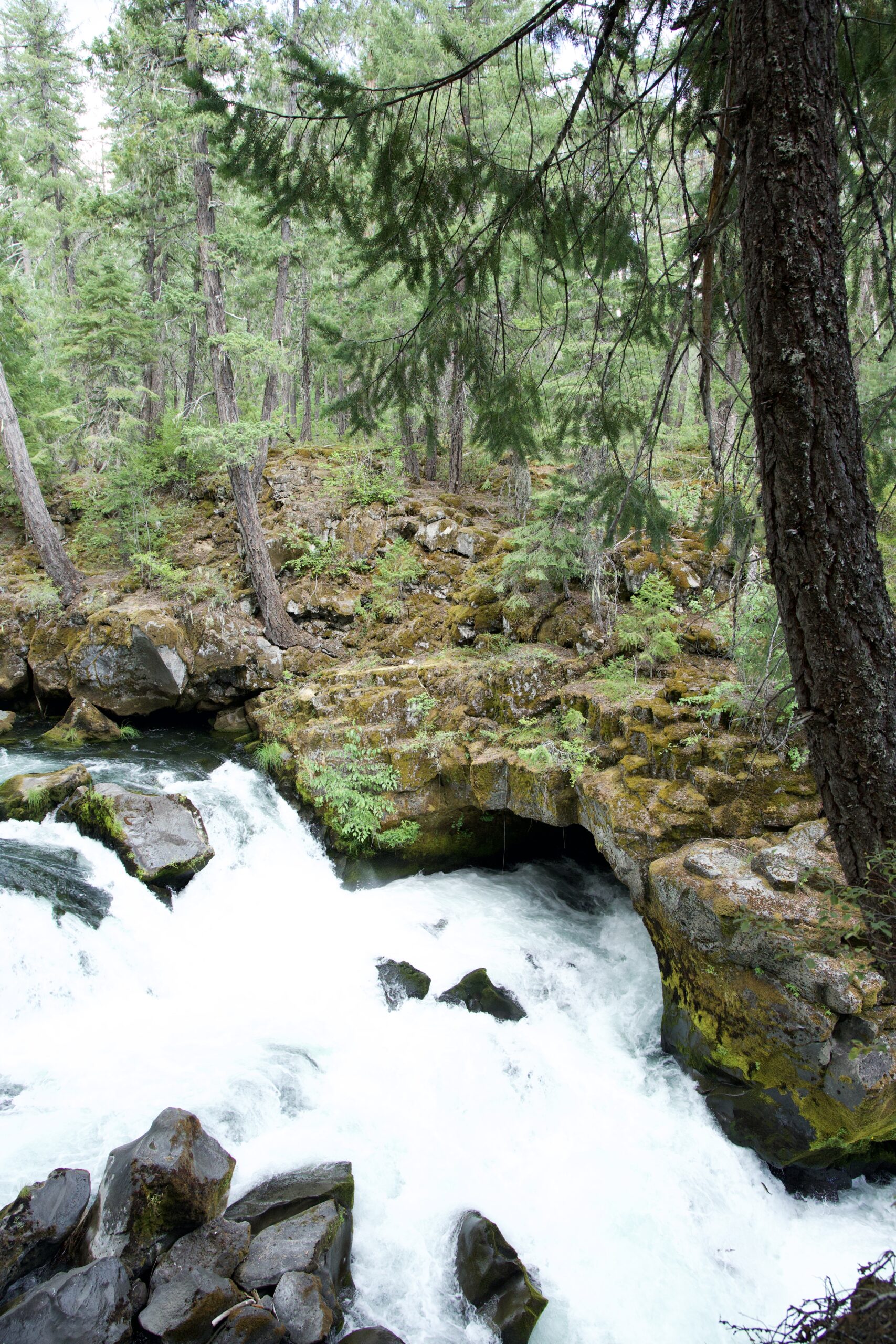
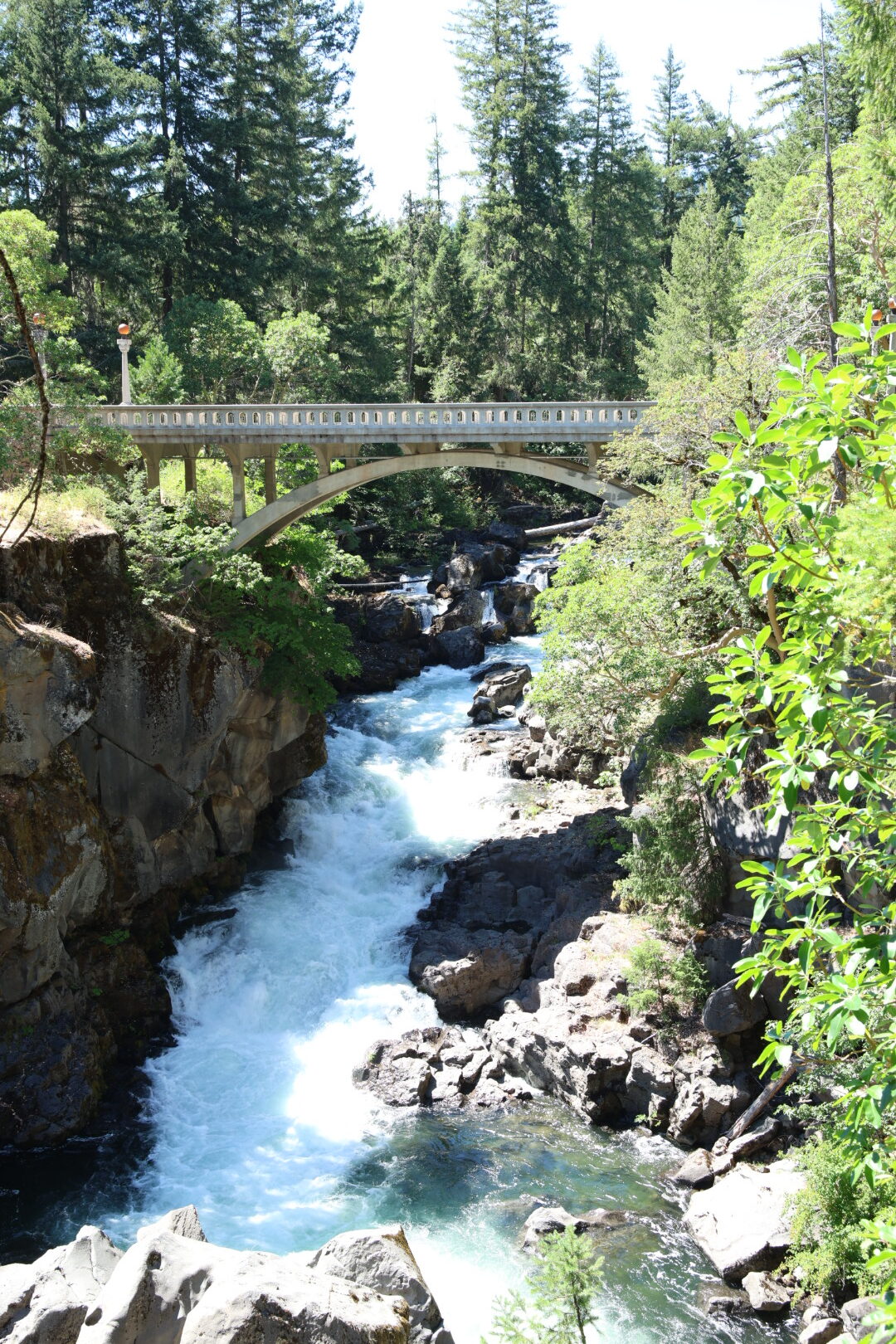
The short paved walk follows the Rogue River through a dramatic lava gorge where you can watch the river rushing through ancient volcanic rock. The geology is fascinating, and there are plenty of signs explaining how the lava flows and underground channels helped shape the canyon.
Knowing that this landscape is tied to the same volcanic systems that created Crater Lake made it even more interesting. You can really start to see how powerful and widespread the volcanic activity in the Cascades has been.
Parking was easy, the trail wasn’t crowded, and the walk is accessible for most families.
We actually walked back the same direction instead of completing the loop because we wanted to enjoy the river views a second time.
It was peaceful, educational, and absolutely worth the stop.
Natural Bridge
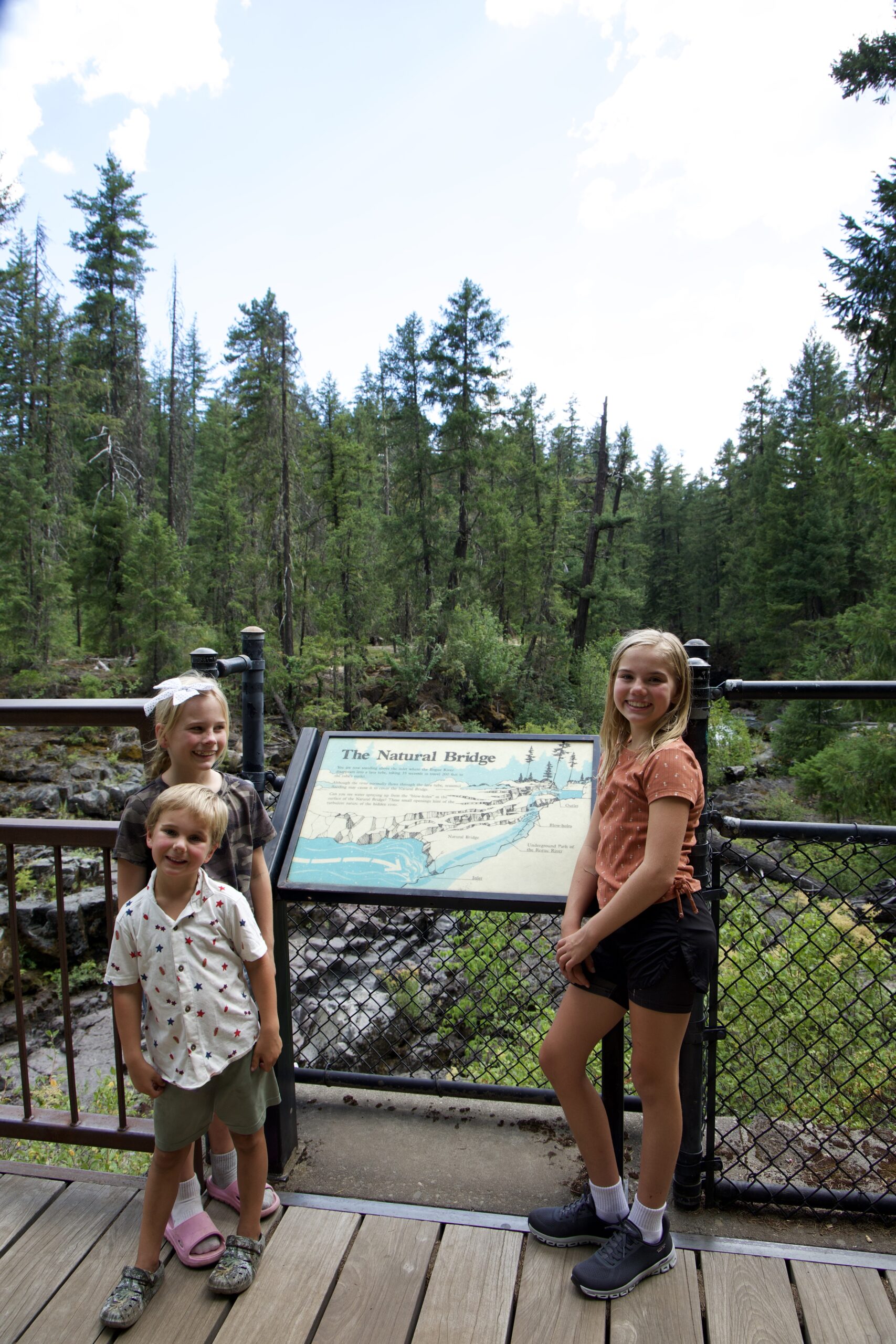
Natural Bridge was another surprisingly impressive stop.
The trail signage could definitely be better, and we initially weren’t sure how long the walk would be. Some other visitors even thought it might be several miles.
Thankfully, it’s much shorter than that.
Within a short walk, you can watch the Rogue River disappear underground into lava tubes before emerging again downstream. It’s one of those geological features that’s difficult to appreciate until you’re standing there watching it happen.
This is another great example of how lava flows shaped the entire region. Ancient volcanic activity created these underground channels, and the river eventually found its way through them, carving out the system we see today.
The entire area is beautiful, quiet, and makes for a great stop with kids or dogs.
Mill Creek & Barr Creek Falls
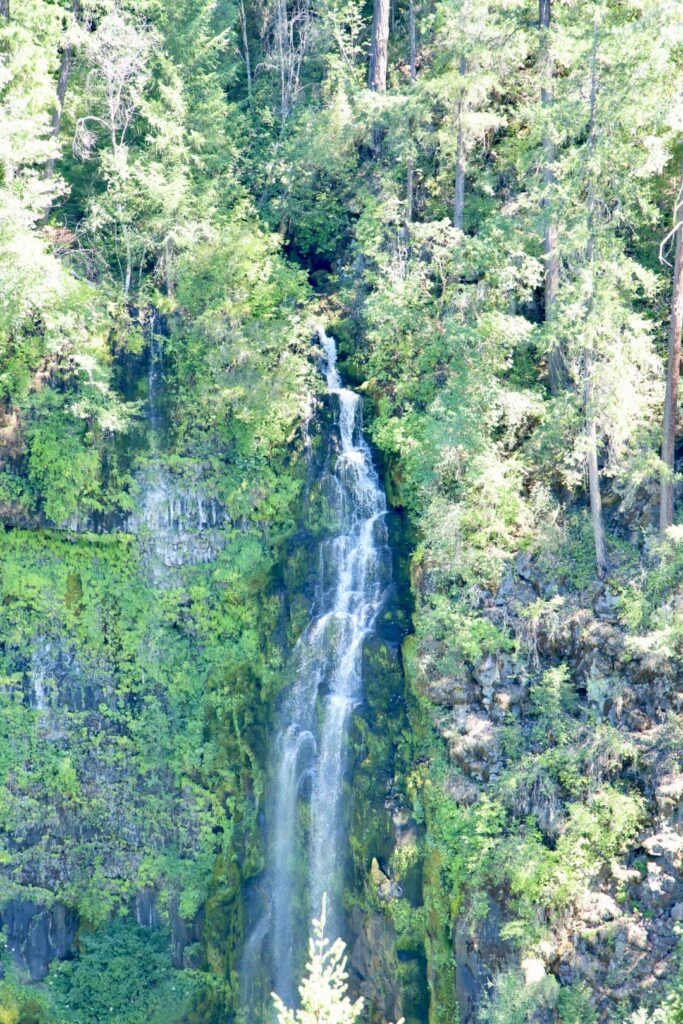
These waterfalls were stunning.
The hike itself wasn’t particularly difficult, but the trail junction could use better signage because it’s easy to wonder if you’re heading the right direction.
The forest is incredibly lush, and the waterfalls are beautiful once you reach them.
The biggest thing I’d tell families is to be extremely cautious near the falls.
Unlike the Rogue River Gorge or Natural Bridge, there are no protective railings around the overlooks. The drop-offs are significant, and even with children who are experienced hikers, we found ourselves paying very close attention.
Pearsony Falls
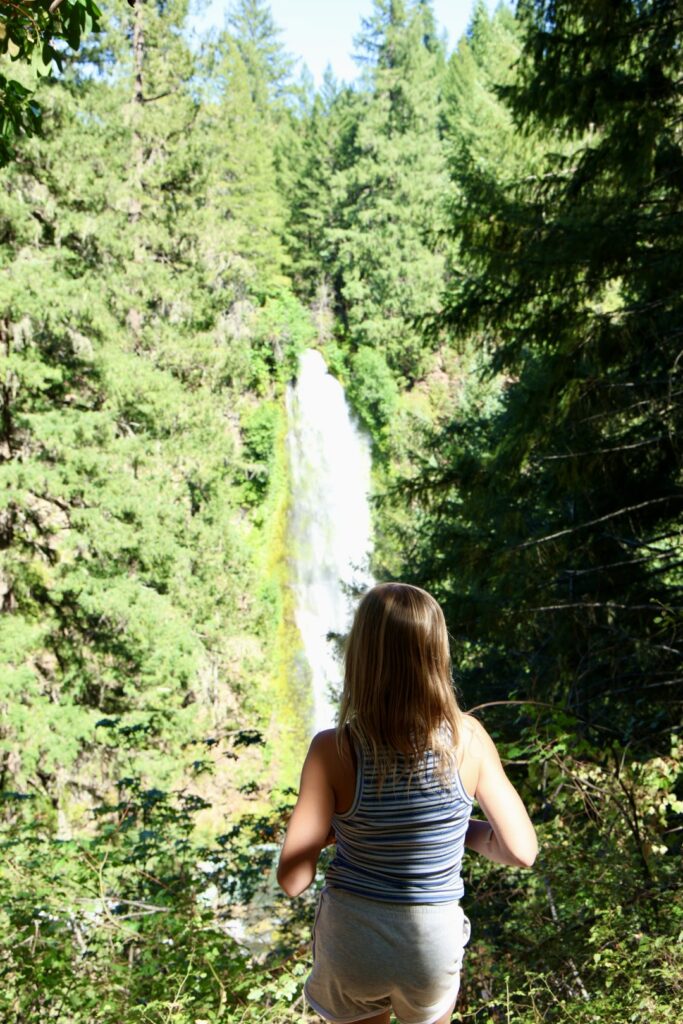
Pearsony Falls was another worthwhile stop, although the overlook is steep and requires some caution. Like the other waterfalls, the scenery here is beautiful, but you’ll want to pay attention to your footing.
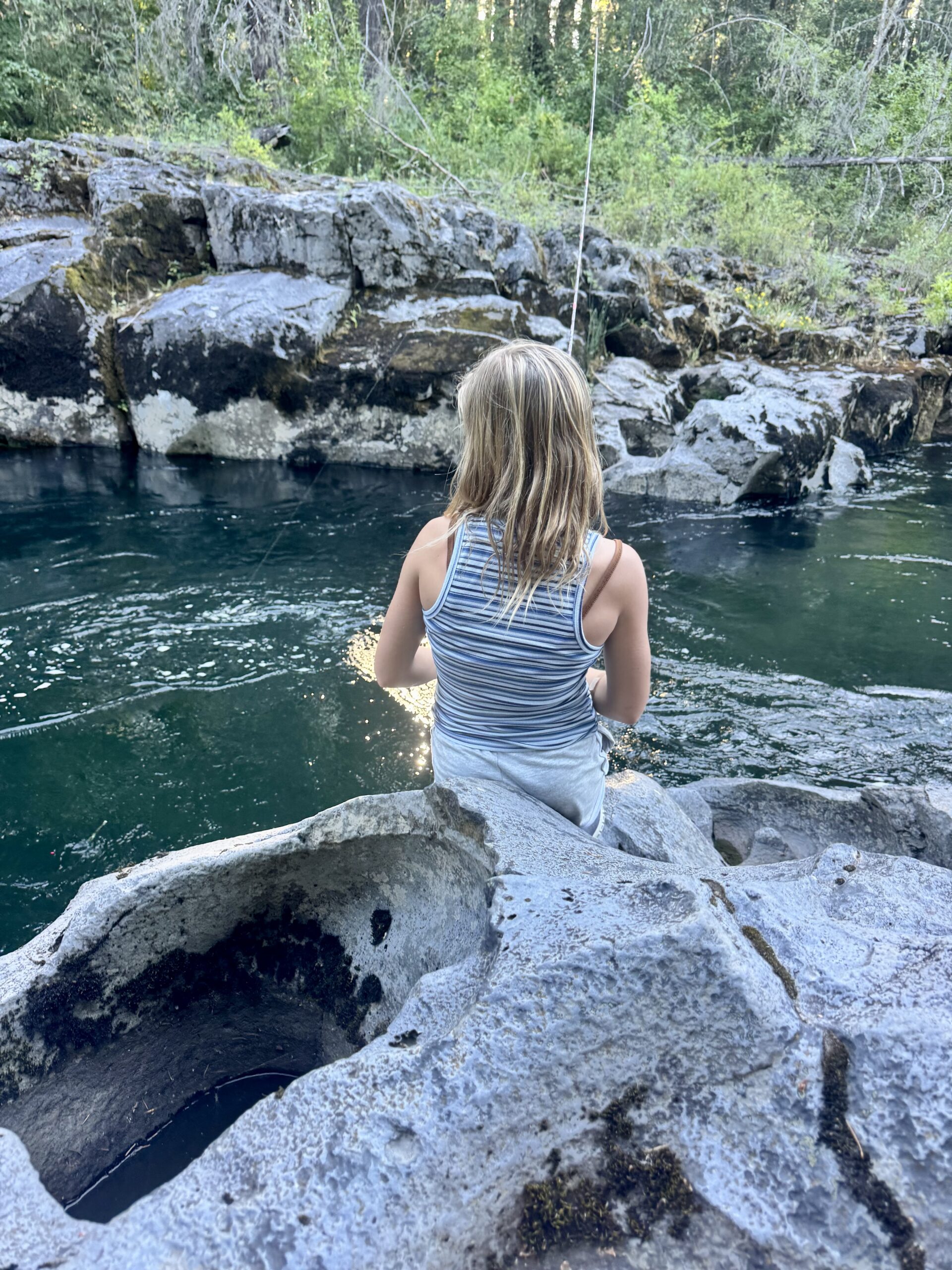
Hidden Lake
One unexpected highlight was Hidden Lake, located near our campground.
Most evenings after Eli finished work, the kids would head down to the lake to fish for trout. Sullivan even hooked a couple that unfortunately slipped off before making it to shore.
Willie absolutely loved swimming here, and according to the girls, the water was actually warmer than Glacier National Park.
On another evening, the kids even floated a calm section of the Rogue River nearby, and it ended up being one of their favorite memories from the week.
Final Thoughts
We originally came to Prospect because of Crater Lake.
By the end of the week, we realized Prospect was much more than a place to sleep between park visits.
Between the quiet forests, the Rogue River, waterfalls, lava geology, fishing, peaceful hikes, and the lack of crowds, this became one of the most relaxing weeks we’ve had in a long time.
And honestly, what made it even more meaningful was how much we learned along the way—not in a classroom way, but in a “standing at the rim of a volcano and realizing how much is still being discovered” kind of way.
If you’re planning a trip to Crater Lake, don’t just drive in for the day and leave.
Spend a few days in Prospect.
I don’t think you’ll regret it.